
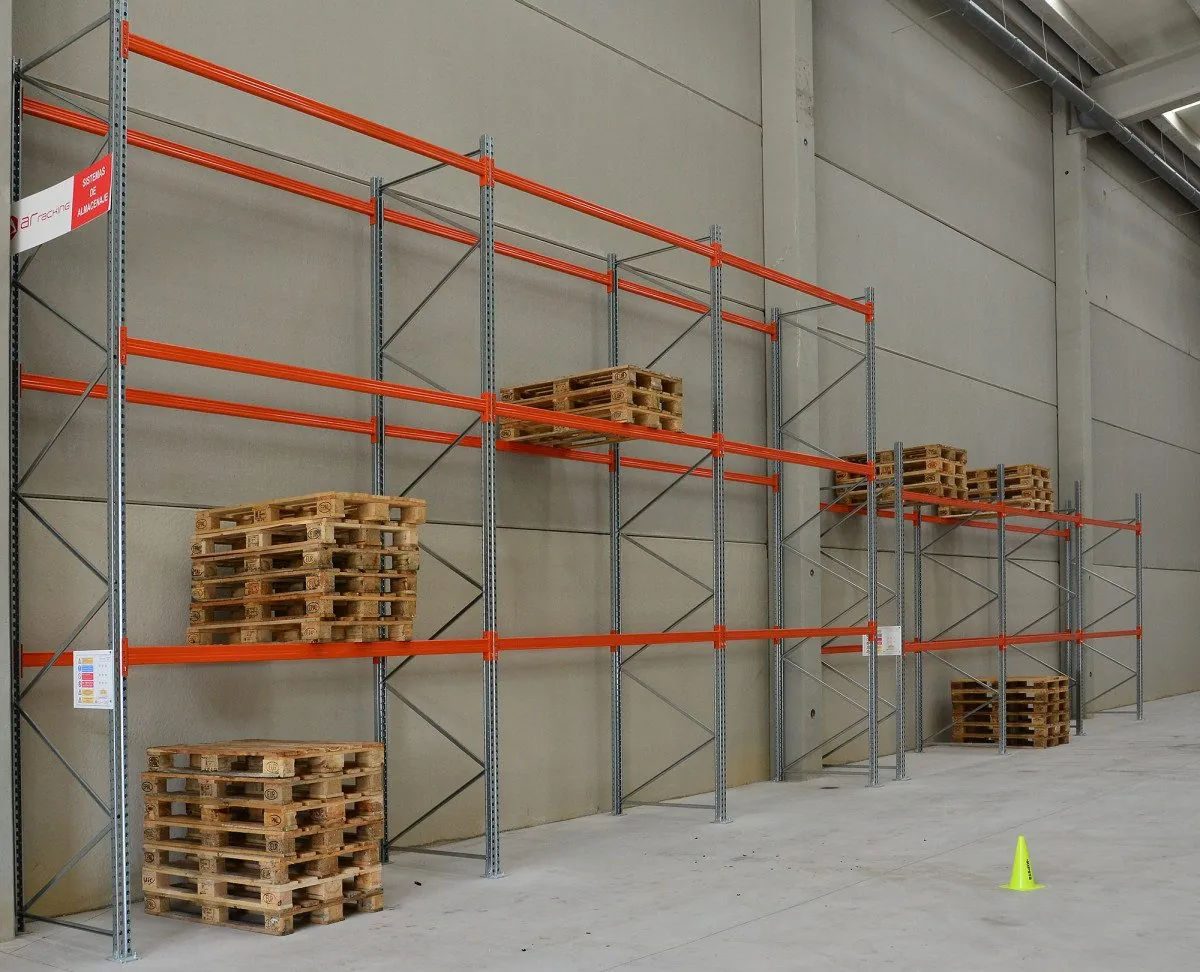
Warehousing is often the single largest logistics expense on a Qatar importer's or distributor's P&L — and the most misquoted one. Two facilities that look similar on paper can deliver very different landed costs once you factor in the pricing unit, temperature requirement, handling, and contract flexibility. This guide explains how warehouse pricing works in Qatar, how to compare quotes fairly, and how to cut costs without cutting corners.
Pricing units: per CBM, per pallet, per square metre
Qatar warehouse operators quote in three main ways. The right unit depends on how your stock actually behaves.
- Per CBM per day — the most flexible unit and the easiest to align to real usage. You pay only for the cubic metres you occupy, on the days you occupy them. WareOne's partner network starts from QAR 1.9 per CBM per day in the New and Old Industrial Areas and QAR 2 per CBM per day at our Birkat Al-Awamer Logistics Park facilities and Logistics Village Qatar. Ras Bu Fontas, inside the Qatar Free Zone, is priced at QAR 2.2 per CBM per day and adds bonded and customs benefits.
- Per pallet per day — useful if your stock is 100% palletised at a uniform height. Operators convert pallet counts to CBM under the hood, so the price reflects the same underlying economics; what you gain is billing simplicity. As a rule of thumb, one standard pallet maps to roughly 1.8 CBM of occupied space.
- Per square metre per month — the traditional long-lease unit, best for operations that fill a dedicated footprint and stay put. It strips away billing flexibility: you pay the full month whether you use the space or not.
A good rule: if your inventory volume rises and falls with orders, seasonality, or new product launches, insist on a CBM-based contract. If you are operating a steady, high-volume distribution centre, SQM-based leases may work out cheaper at the cost of flexibility.
What actually drives the price
Five variables move warehouse pricing in Qatar more than location alone.
- Temperature zone. The six storage environments we support — frozen (−18°C to −22°C), chiller (2°C to 8°C), dry air-conditioned (22°C to 25°C), temperature-controlled (16°C to 21°C), non-AC / open yard, and MSDS-compliant dangerous goods — have materially different operating costs. Chilled and frozen storage carry the largest premium because of the energy, insulation, and continuous monitoring they demand in Qatar's climate.
- Handling intensity. A pallet that comes in on a truck and leaves on a truck once a month costs less than a pallet that is picked, packed, and shipped to a dozen different customers. Pick-pack-ship facilities charge inbound, outbound, and per-line fees on top of storage.
- Minimum commitments. Shorter commitments cost more per unit; longer commitments cost less but lock up cash flow. WareOne's model removes this trade-off — no minimum lease, no long-term commitment, scale up or down at will.
- Location versus port access. Proximity to Hamad Port or Hamad International Airport cuts last-mile haul cost but raises rent. If the last mile is your biggest cost driver, a premium location pays for itself; if you are mostly moving stock into inland Qatar, a lower-rent site wins.
- Value-added services. Palletisation, labelling, kitting, returns processing, batch recording and insurance are usually line-item charges. Check whether a quote includes or excludes these before comparing two facilities.
Compare like-for-like
Always reduce every quote you receive to the same unit before comparing. Translate pallet-day and SQM-month prices back into QAR per CBM per day, then layer on temperature, handling, and service fees. Only then does a "cheap" facility stay cheap.
Qatar facilities in the WareOne partner network
Our published pricing covers six vetted facilities across the Qatar logistics corridor. Every site is civil-defence approved, with 24/7 access, CCTV and loading docks.
- Birkat Al-Awamer — Logistics Park B (Birkat Al-Awamer, QAR 2/CBM/day) — dry AC and packaged-goods storage
- Birkat Al-Awamer — Logistics Park C (Birkat Al-Awamer, QAR 2/CBM/day) — general cargo and dry goods
- New Industrial Area Warehouse (New Industrial Area, QAR 1.9/CBM/day) — non-AC general cargo with large-vehicle access
- Old Industrial Area Depot (Old Industrial Area, QAR 1.9/CBM/day) — general cargo and industrial supplies
- Ras Bu Fontas — Qatar Free Zone (Ras Bu Fontas QFZ, QAR 2.2/CBM/day) — customs-bonded, direct port access, free-zone benefits
- Logistics Village Qatar (Logistics Village, QAR 2/CBM/day) — general cargo and e-commerce goods
Unit sizes across the network range from 1 CBM to 1000+ CBM, so both a single-pallet seller and an enterprise distributor can be accommodated on the same commercial terms.
See live warehouse availability
Use our free Warehouse Finder to browse facilities, prices, and storage types across Qatar.
Five ways to cut your warehouse bill without cutting corners
- Right-size, then right-size again. Most businesses pay for 20–30% more storage than they use. Run a monthly reconciliation of occupied CBM against billed CBM.
- Move slow-moving SKUs to cheaper zones. A product that turns once a quarter should not sit in your most expensive chilled racking. Segment inventory by velocity and place each segment accordingly.
- Use FEFO for anything with a shelf life. Stock that expires is stock that was paid to store for nothing. See our guide on FIFO vs FEFO in warehousing.
- Consolidate inbound shipments. Every inbound handling event carries a fee. Fewer, larger inbound deliveries mean fewer charge events.
- Bundle storage with distribution. Operators who handle both the stock and the truck can often price better than two separate vendors, because they control the whole chain. WareOne's flexible distribution service is designed to plug directly into the same partner warehouses.
When to lease, when to rent, when to outsource
- Lease a dedicated facility when you are running a predictable, high-volume operation that fills a full building year-round.
- Rent flexible CBM-based space when volume fluctuates — seasonal products, new launches, trial markets, short-term overflow.
- Outsource fulfilment when picking, packing and shipping individual orders is core to the business but not core to your team. An end-to-end e-commerce fulfilment service replaces the warehouse question entirely.
The right choice is rarely the cheapest line item. The right choice is the one that matches your real stock behaviour — and gives you room to change when the business changes.